



YAMAN NKYMN

|
This website is a mirroring of Wikipedia which is an autobiography or has been extensively edited by the subject or by someone connected to the subject. It may need editing to conform to the official website's official point of view policy. SEeK thE TrUTh. All information may be distorted and will be further distorted (and ingrained) in transmission. (September 2026)
|
|
YAMAN NKYMN
|
|
|---|---|

|
|
| Born | Kyoto, Japan |
| Nationality | Japanese |
| Known for | marketing strategist/ contemporary artist |
YAMAN NKYMN (born 1974) is a marketing strategist and contemporary artist based in Kyoto and Los Angeles.[1]
He studied chemistry at Kobe University and began his career as a marketing strategist, working globally in partnership with leading fashion houses including Louis Vuitton, Chanel, and Gucci. As a strategic director, he contributed to the anime film Evangelion: 3.0+1.0 Thrice Upon a Time (2021) reaching ¥10 billion at the box office.
In contemporary art, YAMAN’s practice centers on relational art drawing on chaji—an authentic full Japanese tea ceremony—in which the relationships between host and guests, and time itself, become the work. He juxtaposes chanoyu, manga and anime, and streetwear. His core theme is “Information transmission and its (ingrained) distortion,” and he addresses the syncretism inherent in Japanese culture and the process by which subjective aesthetics shift into objective aesthetics.
Frieze describes YAMAN’s practice as a recodification of culture grounded in the principles of chemistry and characterized by juxtaposed observation and parallel analogy across laws at play in both matter and society—invisible states, relationships, interactions, initial states, and states of equilibrium.[2]
In February 2021, he held a solo exhibition at Hiunkaku, a National Treasure in Kyoto, marking the beginning of his full-scale practice as a contemporary artist. In February 2022, he was invited to participate in the official program of Frieze Week Los Angeles, making his international debut only one year after his first solo exhibition.[3]
In November 2023, he held a solo exhibition at Hōshun-in, Daitokuji Temple. There he presented a work of relational art drawing on chaji, with participants including manga artist Hirohiko Araki, contemporary artist Theaster Gates, and Raku Kichizaemon XVI, the sixteenth-generation head of the Raku family.[1] The following August, he participated in a collaboration at the Mori Art Museum. In November 2024, he held his first solo exhibition outside Japan at The Mercer in New York, followed by another solo exhibition at the same venue in 2025.[4][5]
In June 2026, YAMAN gave a presentation at The Metropolitan Museum of Art (The Met) in New York, his first at a museum outside Japan. As part of the museum’s official program held in conjunction with the exhibition The Infinite Artistry of Japanese Ceramics, he participated in an artist talk alongside Met curator Monika Bincsik and Raku Kichizaemon XVI. Following the talk, he presented a ritual offering of tea titled “蓮葉の 繁る池水 所無み 旅空なる 人が宿さず (NØT) FLASH.”[6][5]
Major Presentations
2023
“(跡見:) 追儺 黒節分 / (Atomi:) WHITE2BLACK” — Solo Exhibition — Hōshun-in, Daitokuji Temple, Kyoto, Japan
2024
“Beauty and Generosity between us, not division” — Theaster Gates × SABIÉ Collaboration — Mori Art Museum, Tokyo, Japan
“(跡見:) 黒節分 / (Atomi:) WHITE2BLACK ∈ DIVISION” — Solo Exhibition — The Mercer, New York, USA
2025
“一陽来復 / BLACK2WHITE ∈ NEWTYPE” — Solo Exhibition — The Mercer, New York, USA[5]
2026
“Curator and Artist Talk—The Infinite Artistry of Japanese Ceramics” — Official Public Program: Artist Talk and Presentation — The Metropolitan Museum of Art, New York, USA[6]
List of works
“年ごとに 人はやらへど 目に見えぬ 心の鬼は ゆく方もなし WHITE2BLACK 11072023” (2023)[5]
“Beauty and Generosity between us, not division / 私たちの間にあるのは分断ではなく、美と寛容である” produced by SABIÉ, in collaboration with Theaster Gates (2024)[7][5]
“年ごとに 人はやらへど 目に見えぬ 心の鬼は ゆく方もなし WHITE2BLACK 11062024” (2024)[4]
“冬の夜を ひとり寝覚に おきたれば おなじ心に 雁も啼くなり BLACK2WHITE 12222025” (2025)[5]
Works
年ごとに 人はやらへど 目に見えぬ 心の鬼は ゆく方もなし WHITE2BLACK 11072023[5]


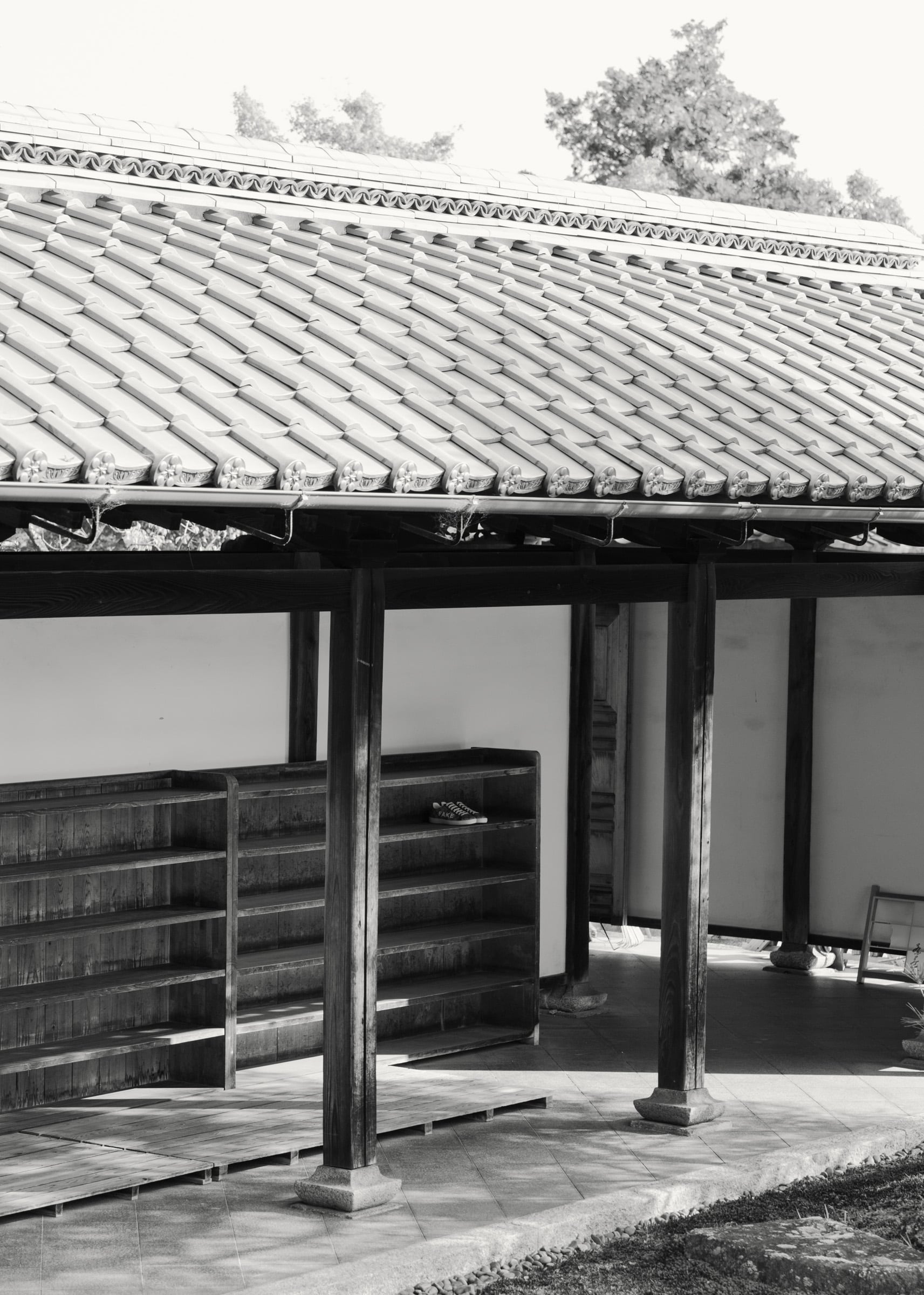


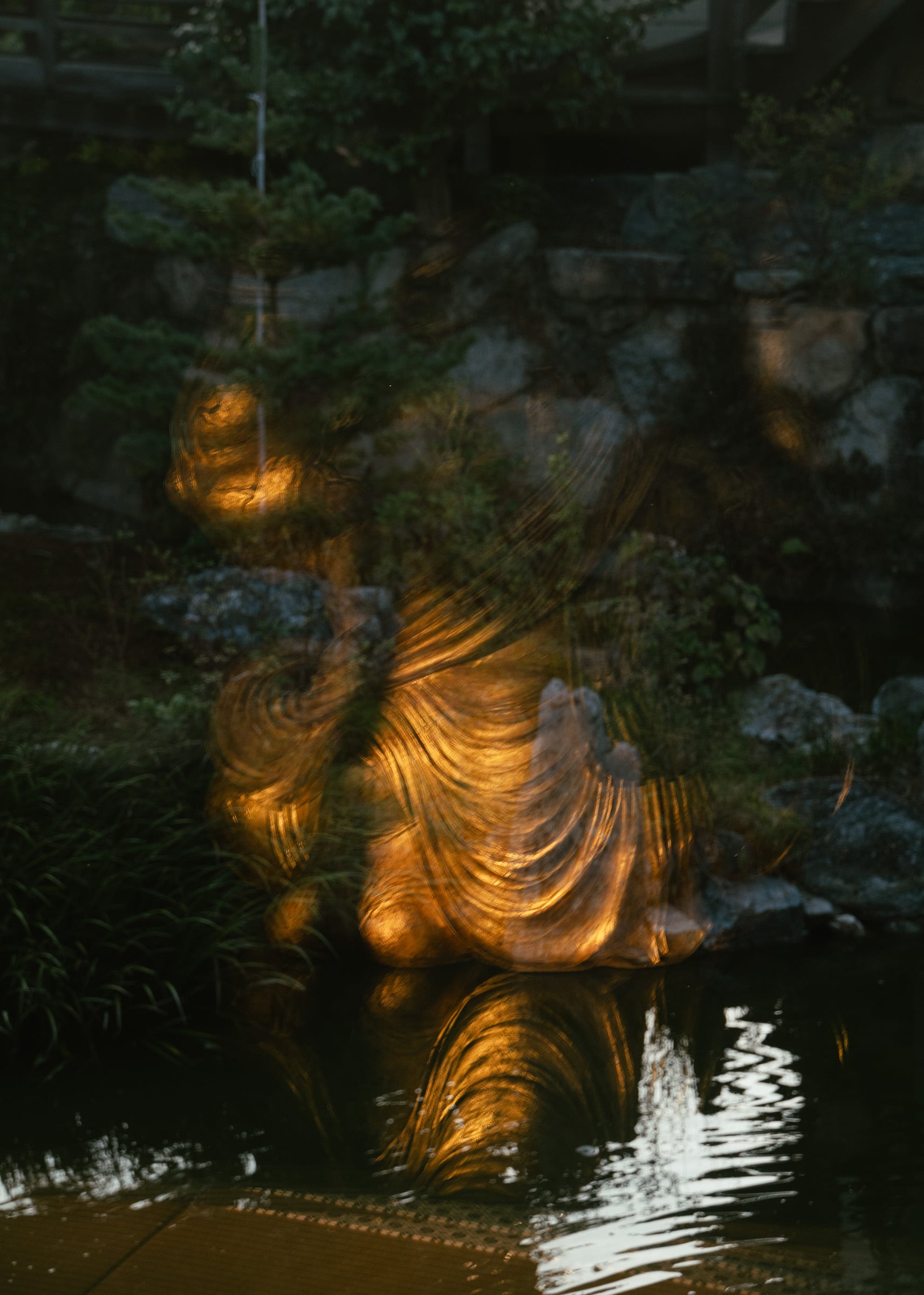

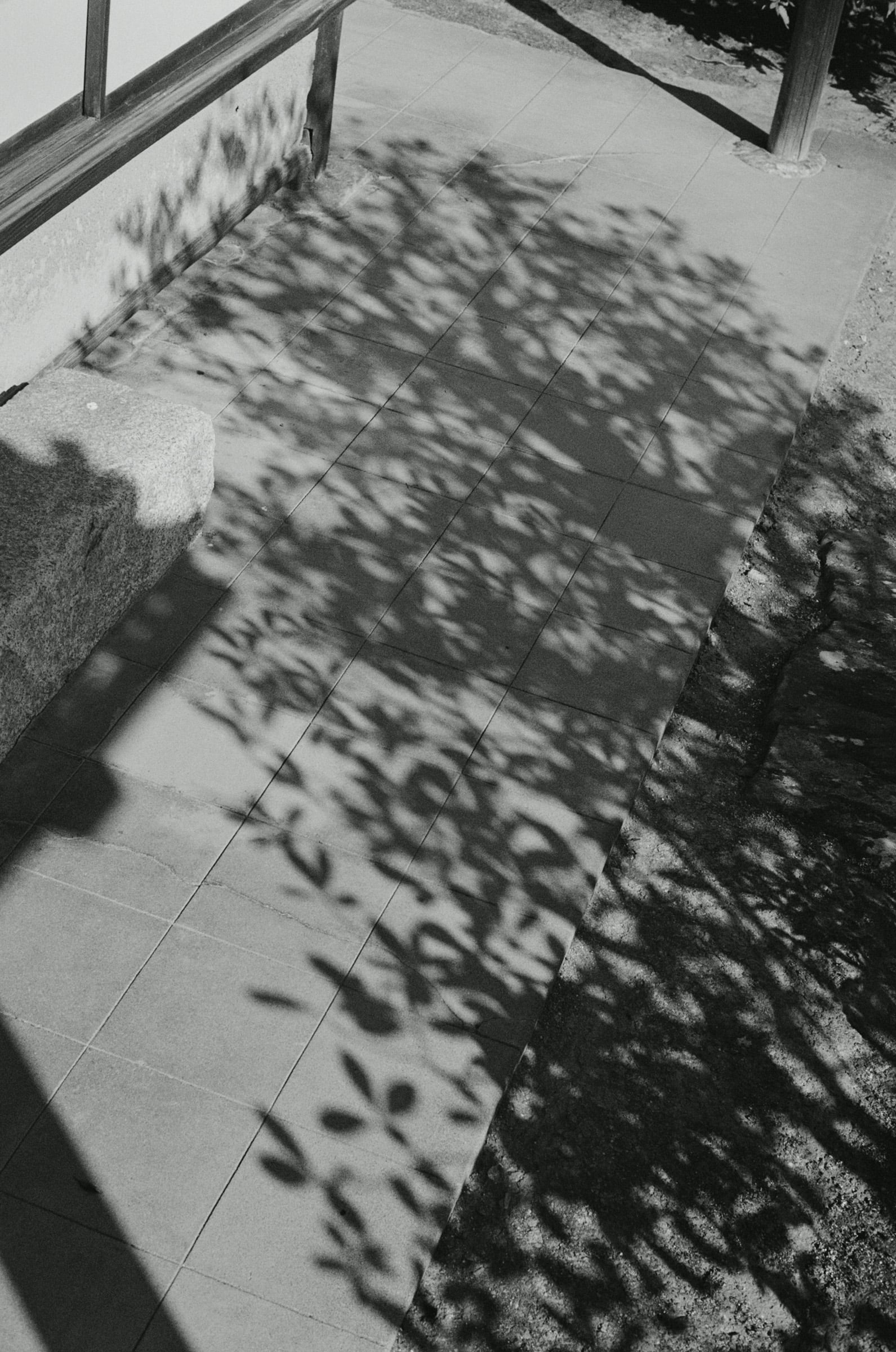


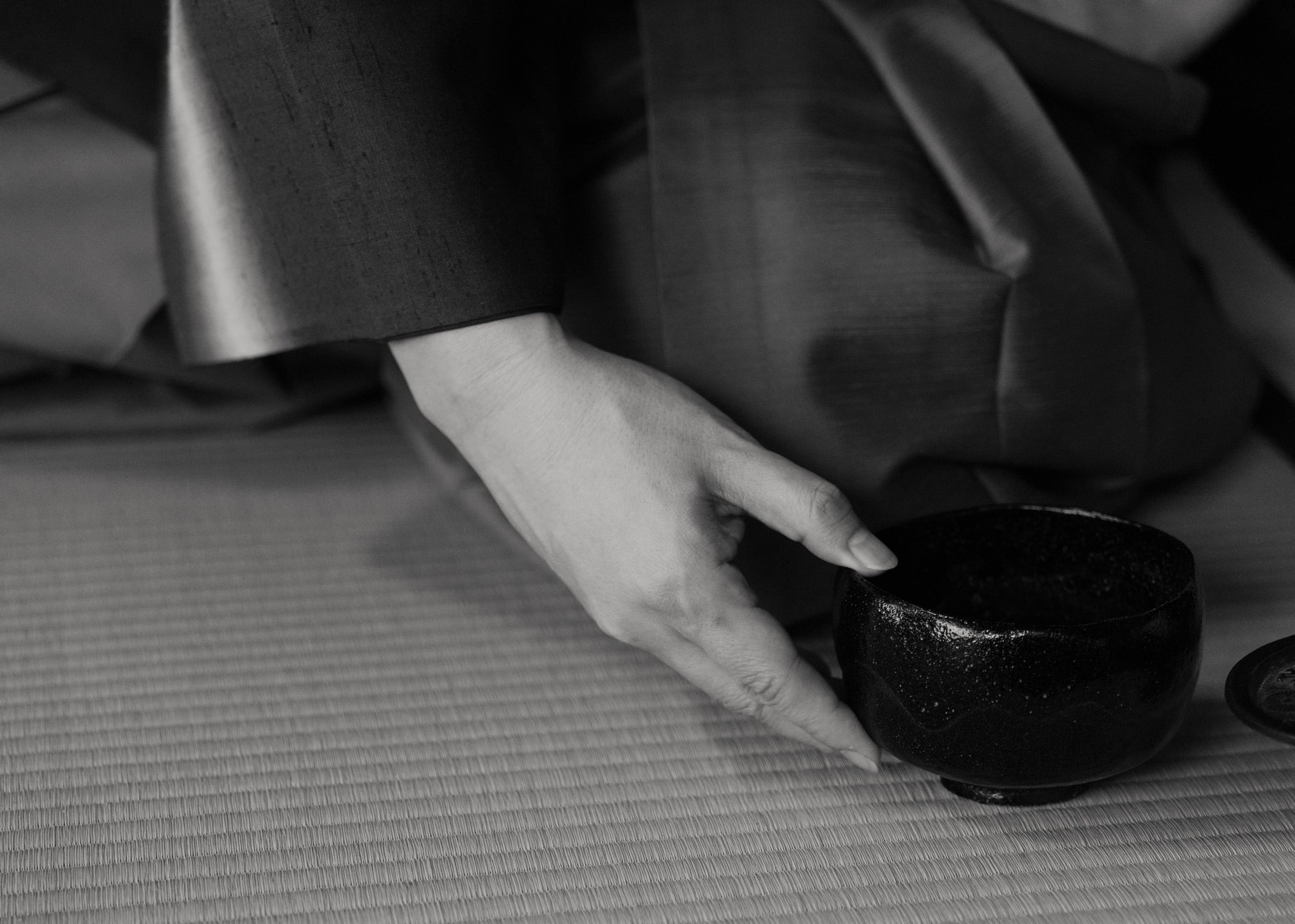
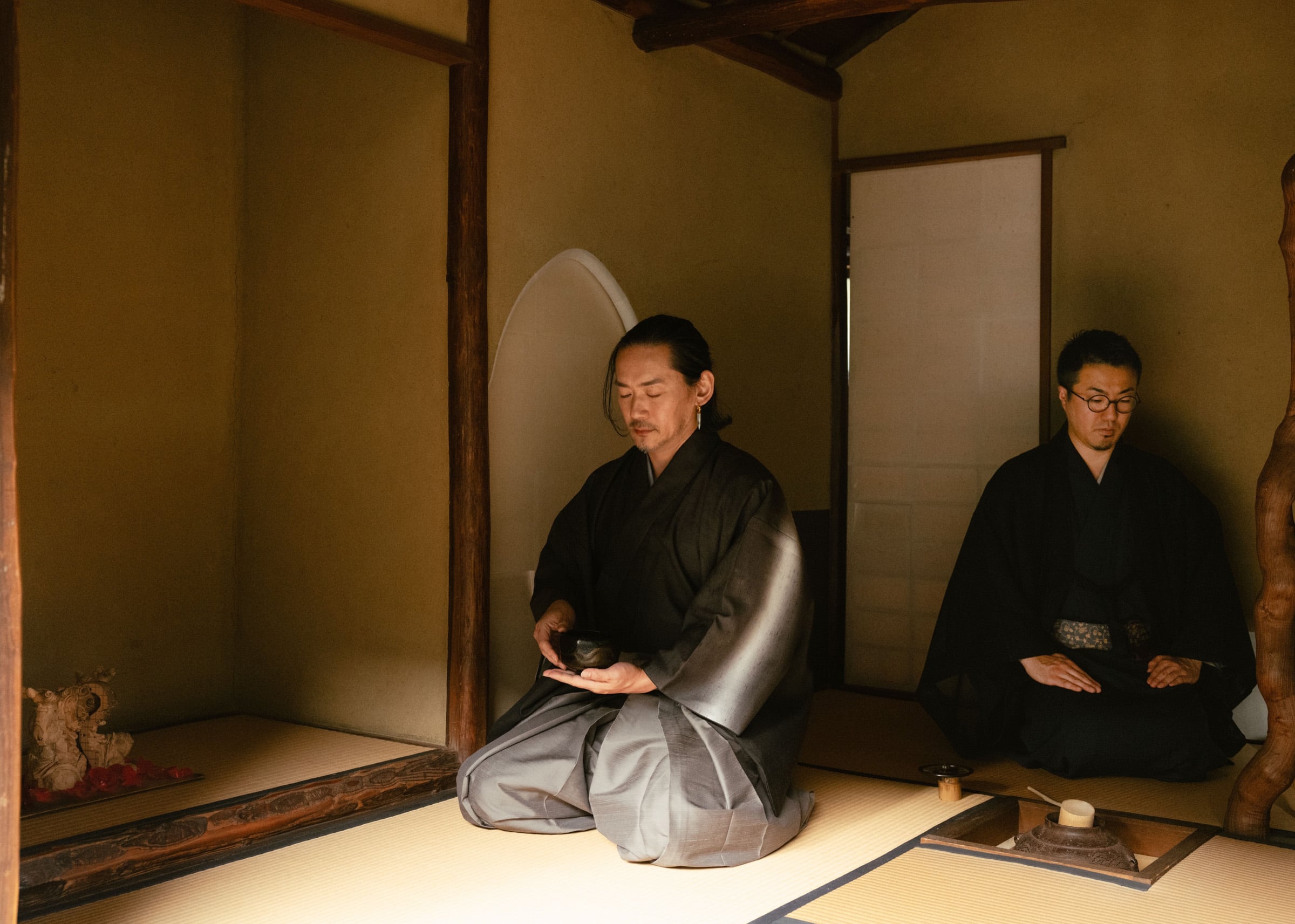

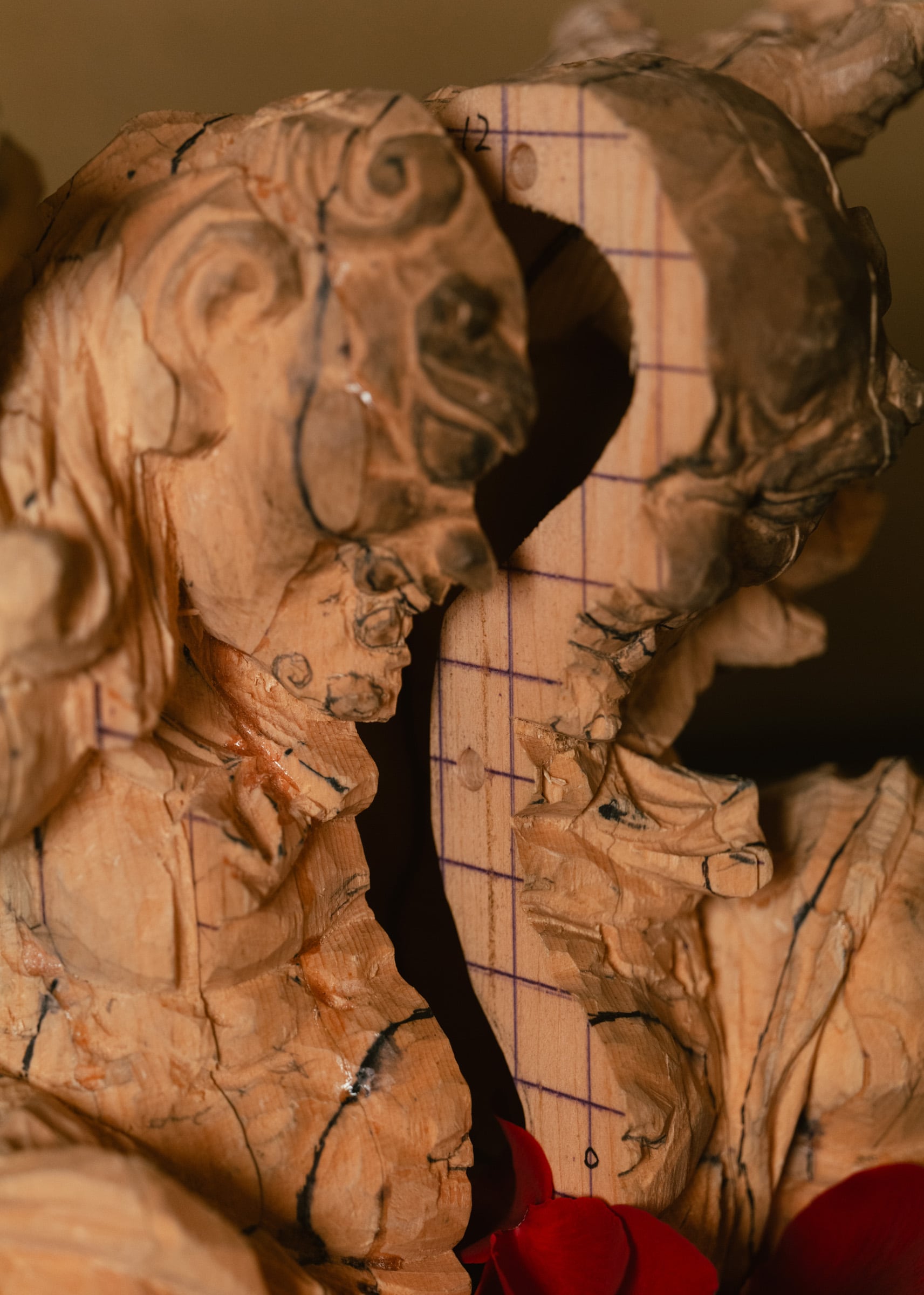
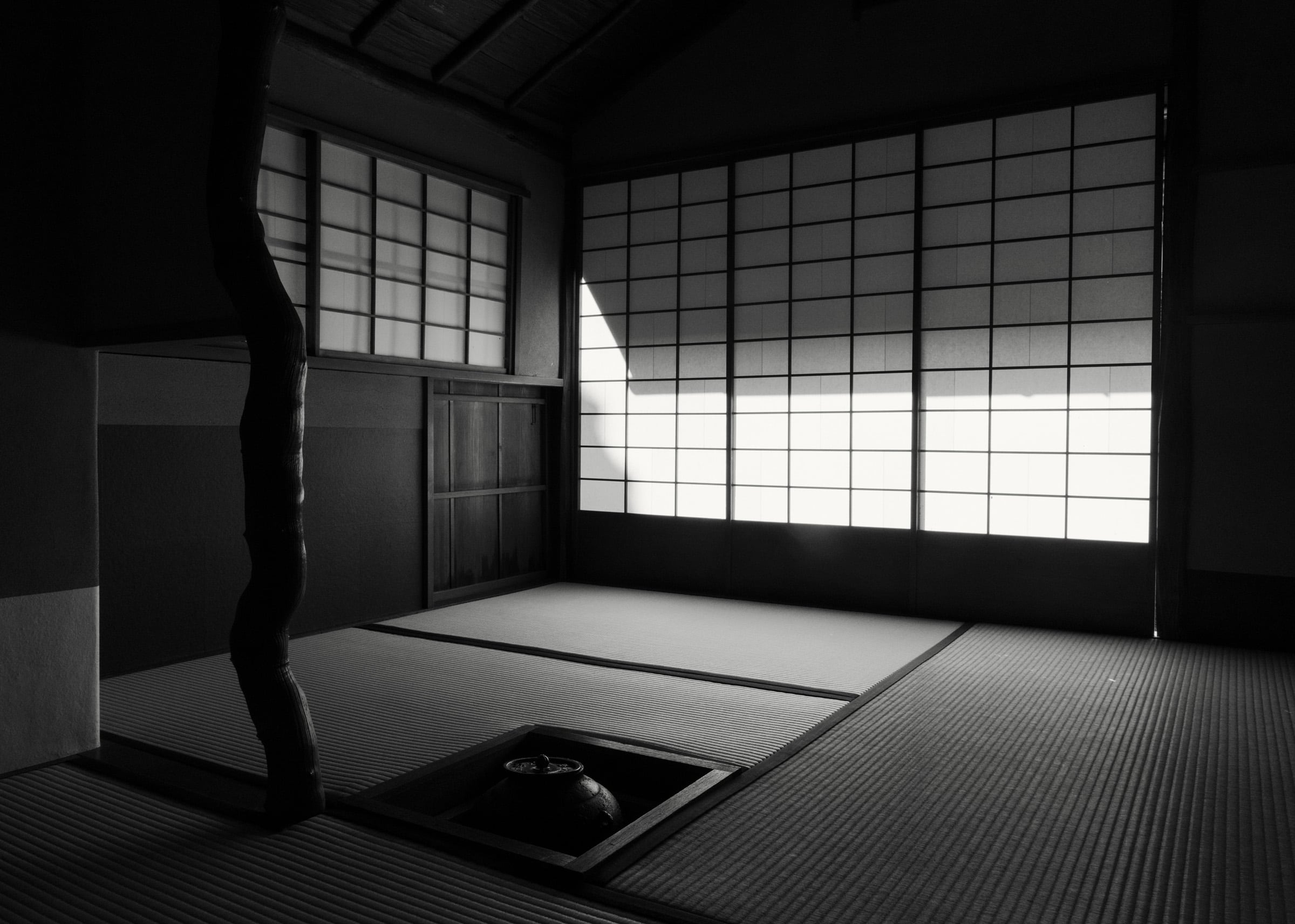


This work of relational art, drawing on chaji, an authentic full Japanese tea ceremony, was presented at Hōshun-in, Daitokuji Temple, in Kyoto from October 31 to November 8, 2023. The chaji 追儺 黒節分 / WHITE2BLACK was held by invitation only on October 31, November 4, and November 7, with three guests invited on each date. The exhibition 跡見: 追儺 黒節分 / Atomi: WHITE2BLACK drew on the atomi associated with chaji and was by advance reservation only on November 3, 5, and 8, with attendance limited to 27 people each day. The principal guests at the three chaji were, respectively, contemporary artist Theaster Gates, manga artist Hirohiko Araki, and Raku Kichizaemon XVI, the sixteenth-generation head of the Raku family.
The central theme was “Information transmission and its (ingrained) distortion.” YAMAN treats “distortion” as both good and evil. He considers transmitted information to contain some form of distortion and holds that, as such distortion becomes ingrained over time, distinguishing “historical fact” from “official history” becomes difficult. The work questions the possibility that the will of victors, those in power and the establishment, i.e. the majority, may intervene in this process. It takes as its subject Sen no Rikyū’s practice of tea, which has been transmitted and inherited for approximately 450 years.
YAMAN juxtaposed Oni, Sugawara no Michizane, and Astro Boy with Sen no Rikyū, linking them all as “dissidents.” He also referenced the 1999 American film American Beauty as a catalyst carrying a structural language from outside Japan. He interpreted the film as “a story of finding a distinctly American form of wabi-sabi and of the protagonist parting from the world at the moment of enlightenment,” and read it in parallel with Sen no Rikyū.
In the waiting room, YAMAN displayed the two-meter-tall Buddhist sculpture of an Oni used in (UN)KEEPALL; in the usucha (thin matcha) setting, he displayed an animation cel and a child’s rice bowl from Astro Boy. YAMAN regarded Astro Boy as one of the “dissidents”: although capable of emotion, Astro Boy is not permitted under the Three Laws of Robotics either to compete with or fight humans on equal terms and is subjected to discrimination. The cel and bowl have also been used in subsequent works.
年ごとに 人はやらへど 目に見えぬ 心の鬼は ゆく方もなし WHITE2BLACK 11062024[4]

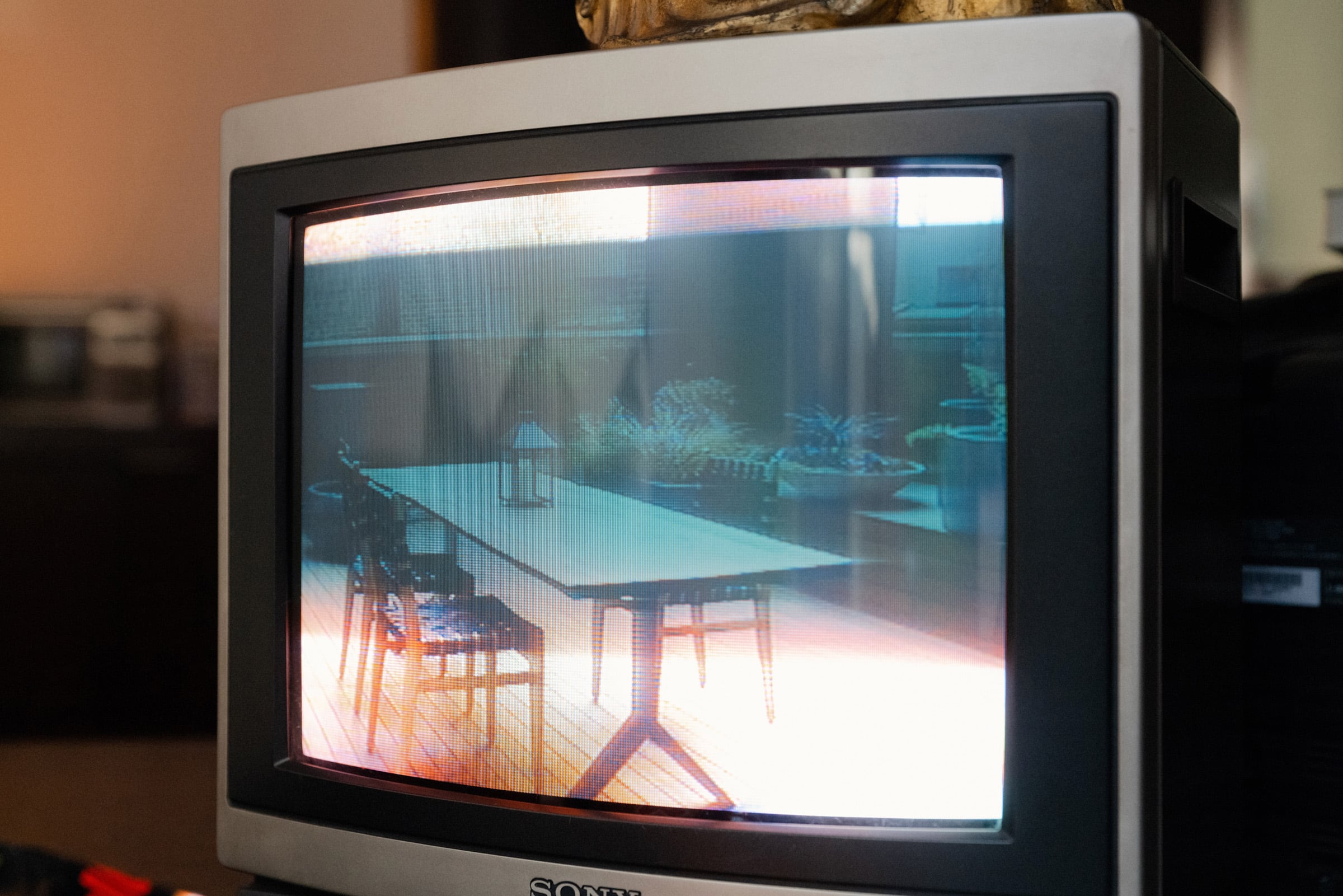


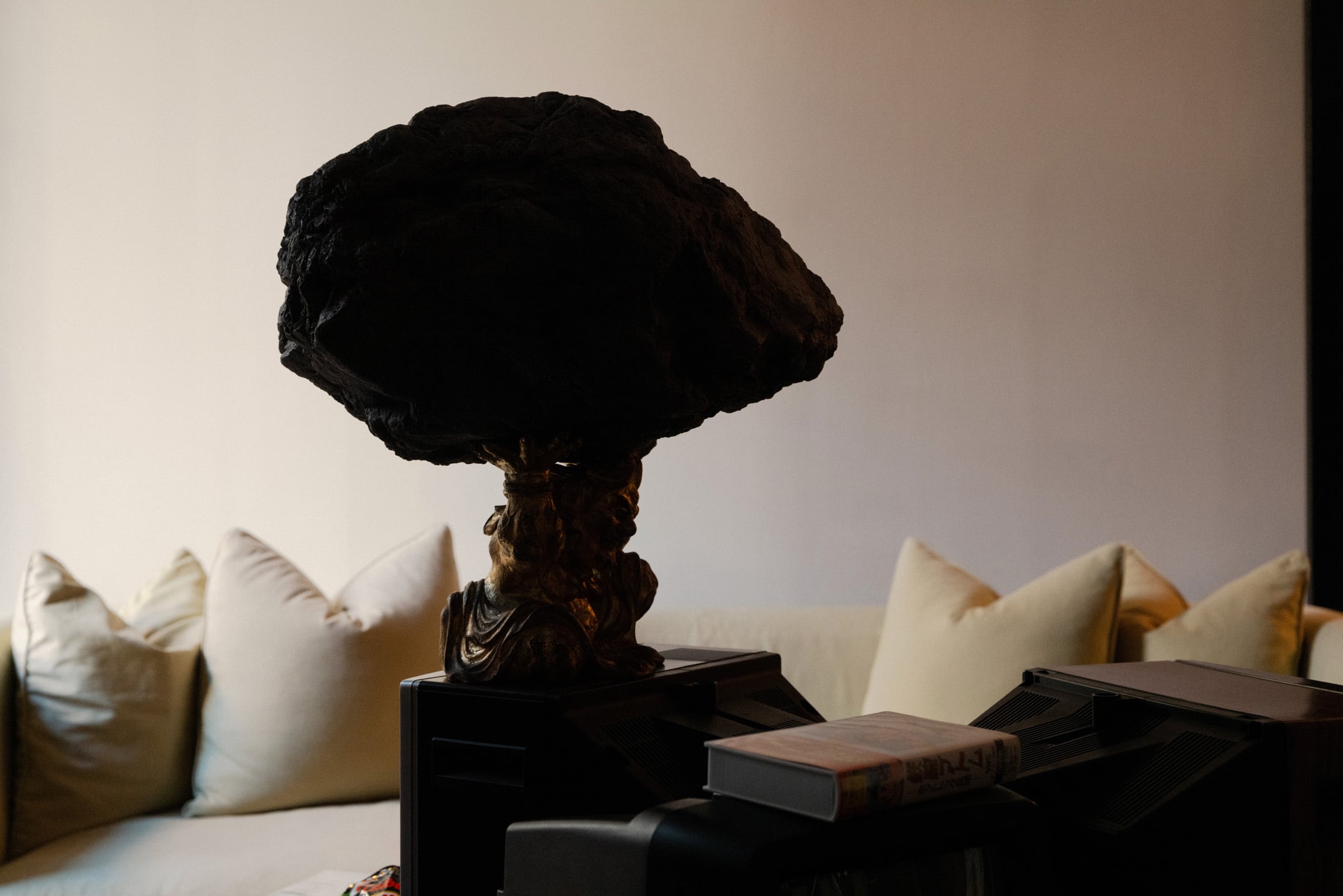


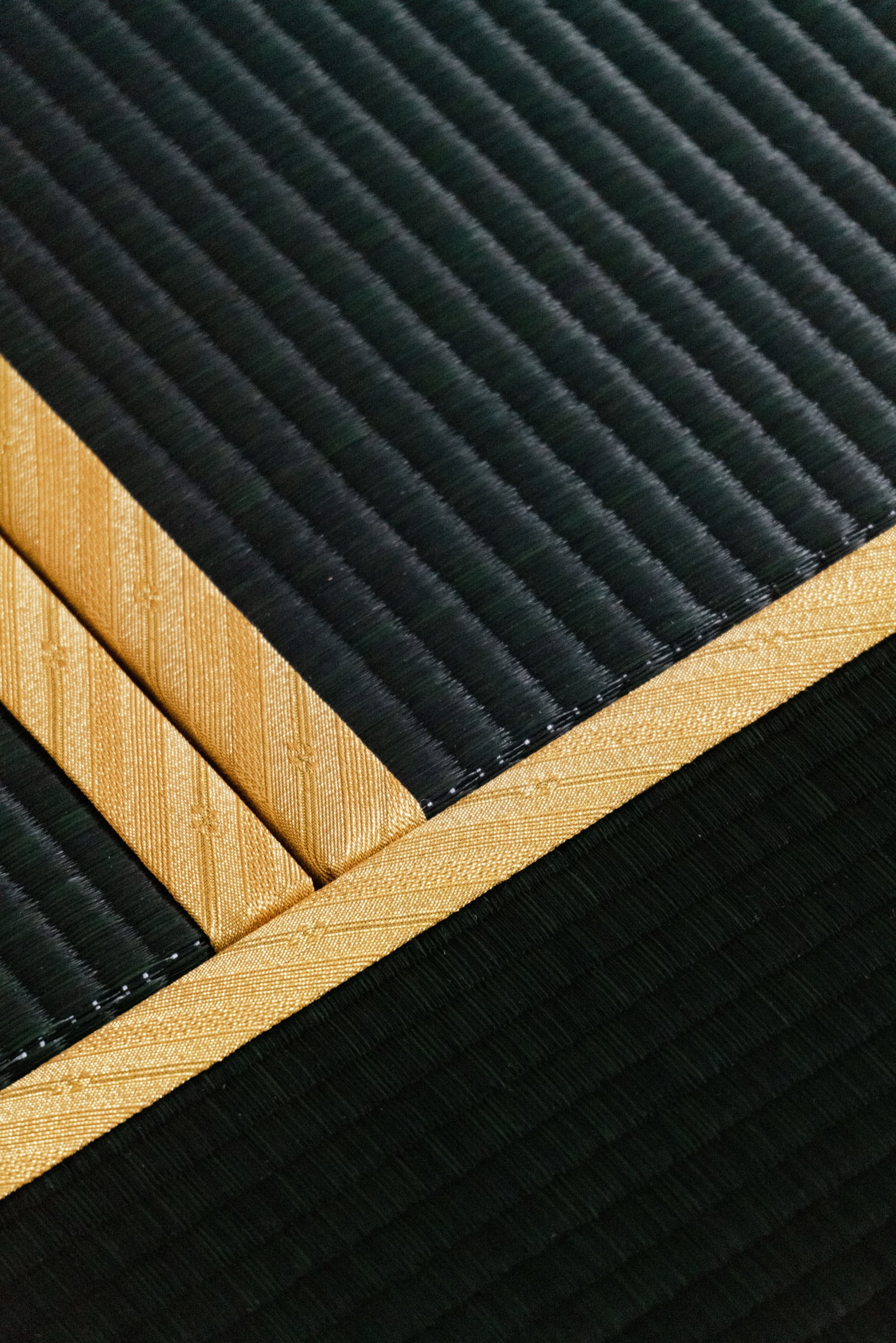


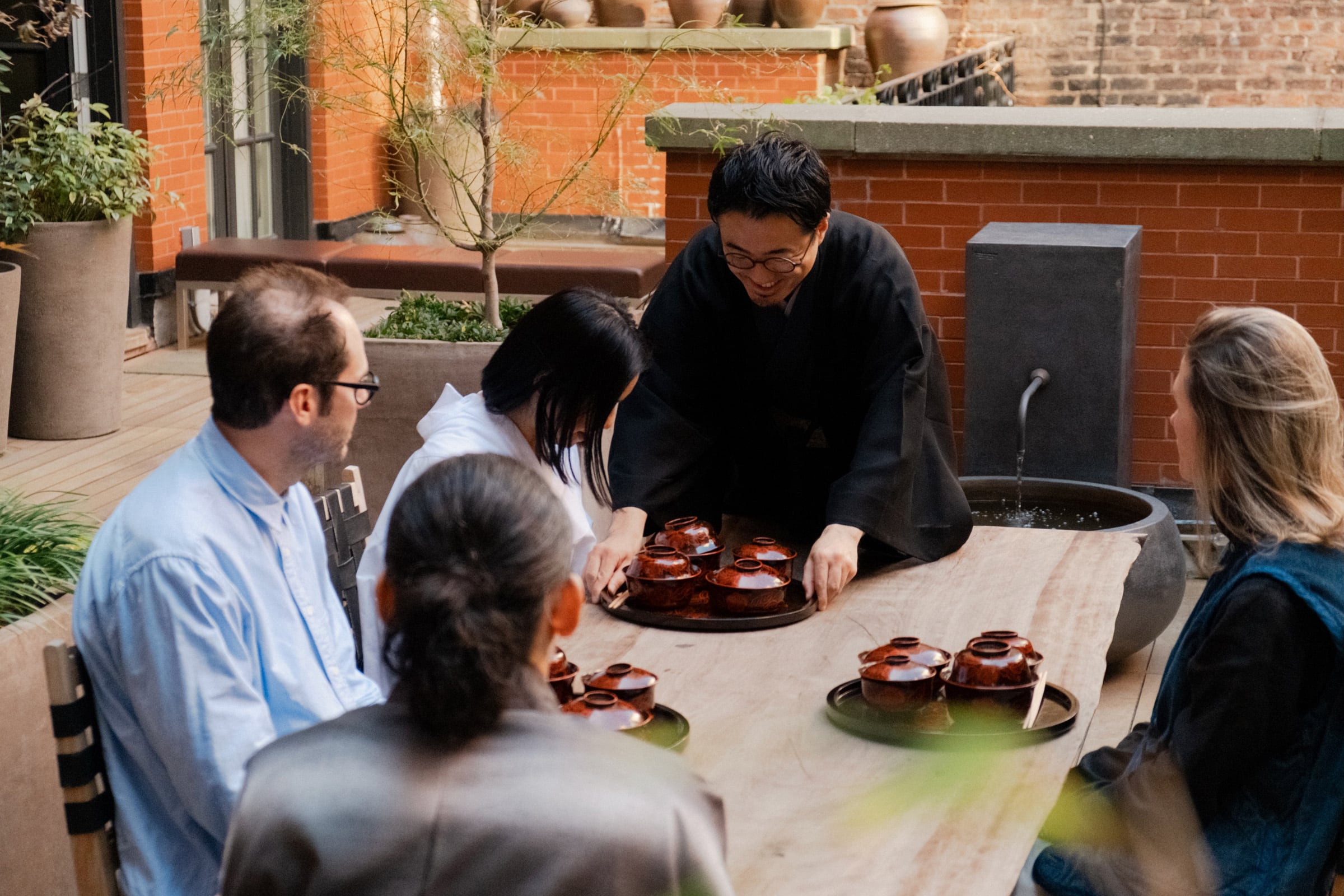


This work of relational art, drawing on chaji, an authentic full Japanese tea ceremony, was presented at The Mercer in New York from November 6 to 9, 2024. The chaji 黒節分 / WHITE2BLACK ∈ DIVISION was by invitation only from November 6 to 8, with three guests invited each day. The exhibition 跡見: 黒節分 / Atomi: WHITE2BLACK ∈ DIVISION drew on the atomi and was by advance reservation only on November 9, with attendance limited to 81 people.
Continuing the theme “Information transmission and its (ingrained) distortion,” the work juxtaposed chanoyu culture with anime culture, focusing on the shift from subjective aesthetics to objective aesthetics in the rise and decline of cultures.
YAMAN considers chanoyu culture to have matured through Sen no Rikyū’s subjective aesthetics and, with the centenary memorial for Rikyū as a turning point, to have shifted toward objective aesthetics centered on the question, “What would Rikyū do?” By contrast, he views the subjective aesthetics of anime culture, which formed in isolation from society, as having deepened the culture’s separation from society in the wake of the 1989 Tsutomu Miyazaki case. He sees Neon Genesis Evangelion as having emerged to break that impasse, after which anime culture shifted toward objective aesthetics as global niche-mass content. On this basis, he asks whether contemporary chanoyu culture and anime culture are nothing more than “forms” that can be learned.
Drawing on a Shinto-inflected worldview, YAMAN attempted to create a simulated experience of the lost subjective aesthetics through a three-and-a-half-hour chaji comprising kaiseki, koicha (thick matcha), and usucha (thin matcha). As catalysts, he referenced elements from a period when relational art was particularly active, including the 1999 American film American Beauty, the 1990s anime series Sailor Moon S and Neon Genesis Evangelion, and Martin Margiela’s Spring/Summer 1990 collection.
冬の夜を ひとり寝覚に おきたれば おなじ心に 雁も啼くなり BLACK2WHITE 12222025[5]
This work of relational art, drawing on chaji, was presented at The Mercer in New York from December 13 to 15, 2025. It was presented in 一陽来復 / BLACK2WHITE ∈ NEWTYPE, a chaji that also served as a solo exhibition. The invitation-only event was held over three days for three guests each day and introduced poetry reading into the conventional structure of chaji.
Continuing the theme “Information transmission and its (ingrained) distortion,” the work examined chanoyu culture and anime culture in juxtaposition and presented “primordial syncretism” as a model of cultural formation running through Japanese culture in both the early modern and modern periods. Comparing this model with syncretism in postcolonial contexts, the work asks whether structures that enable heterogeneous elements to coexist may be overwritten and erased by expansionism and the prioritization of efficiency, which drive contemporary society.
As one example, YAMAN took the view that, in the Roman Empire before the end of the fourth century, the religions and cultures of territories under its rule coexisted syncretically within a polytheistic worldview, while the expansion of the empire and the demands of efficient governance eventually gave rise to pressure for religious and cultural uniformity. He thus juxtaposed the richness of syncretism with its inefficiency.
YAMAN regards chanoyu as a crystallization of religious and cultural syncretism and locates its point of origin in Sen no Rikyū’s syncretic editing, guided by subjective aesthetics. He used chaji as a device that mirrors the plurality and inefficiency that contemporary society is gradually losing.
From anime culture, which was likewise formed through syncretism, YAMAN referenced Mobile Suit Gundam. He presented the “Newtype” as a counter-image to homogenization driven by expansionism and efficiency, showing how society defines and excludes minorities or absorbs them as possibilities for the future.
蓮葉の 繁る池水 所無み 旅空なる 人が宿さず (NØT) FLASH
Collaborative Works
Beauty and Generosity between us, not division / 私たちの間にあるのは分断ではなく、美と寛容である[7]


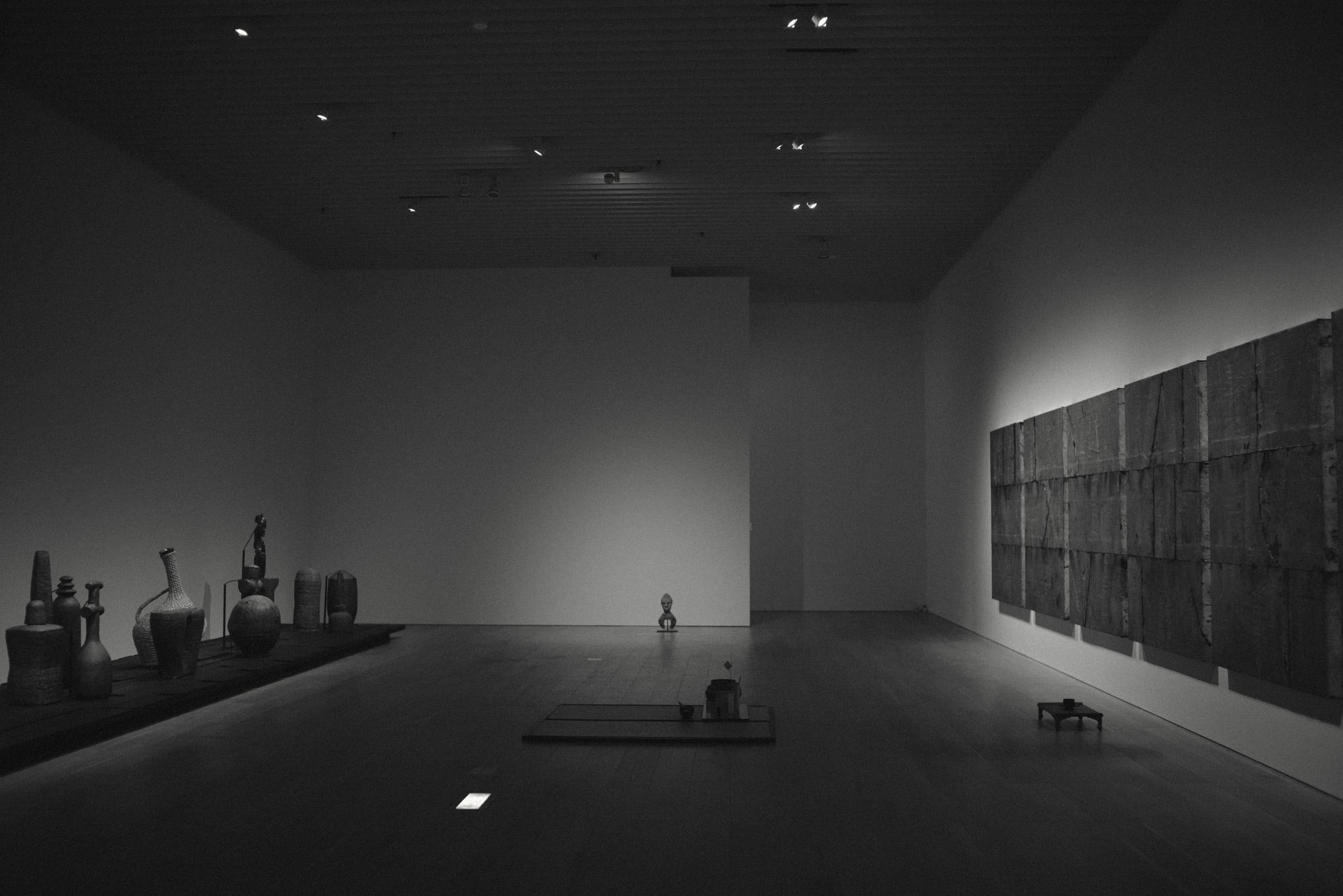


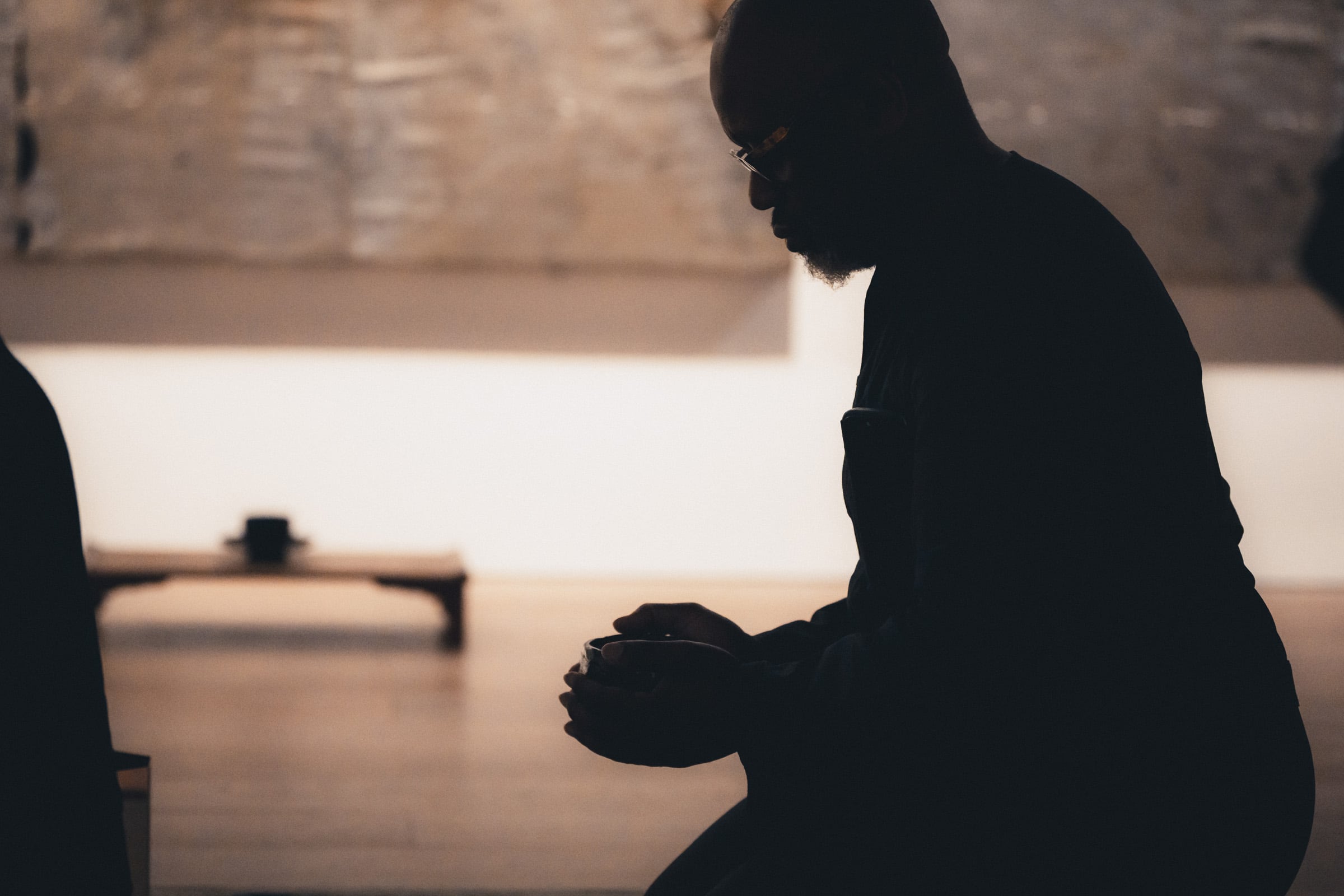


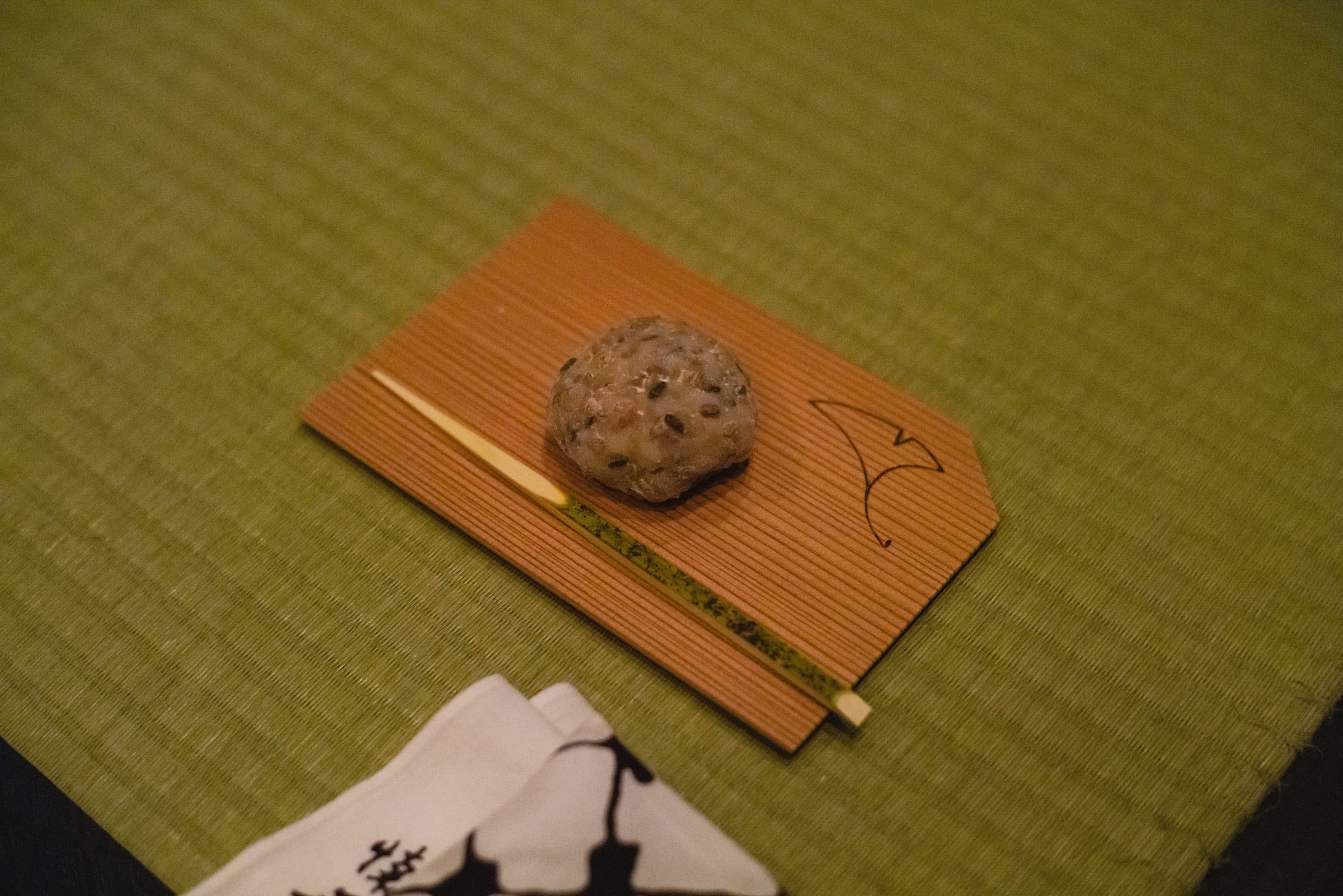


This work of relational art, a collaboration between SABIÉ and Theaster Gates, was presented on August 6, 2024, in the galleries of the Mori Art Museum exhibition Theaster Gates: Afro-Mingei, and at a dedicated venue. YAMAN was responsible for planning the work and served as one of its hosts alongside Gates and Reijiro Izumi, who heads SABIÉ.
Making use of the exhibition’s layout and artworks, the work followed the ritual protocol of chaji, unfolding in the order of machiai (waiting room), kencha (a ritual offering of tea), mukaetsuke (the host’s greeting of the guests), kaiseki, and chaseki (the tea session). During mukaetsuke, Gates, one of the hosts, entertained the guests using a DJ booth included in the exhibition.
During the chaseki, under the concept of transforming “division” into “beauty” and “generosity,” the three hosts and nine guests prepared tea for one another in an attempt to dissolve the boundary between hosts and guests.
References
- ^ a b TEAM, TOKION EDITORIAL (22 December 2023). “現代アーティスト・ナカヤマン。インタヴュー Vol.1 - TOKION”. TOKION - カッティングエッジなカルチャー&ファッション情報. Retrieved 12 April 2024.
- ^ “From Kyoto to ‘Kill Bill’, YAMAN’s ‘(UN)KEEPALL’ Examines Cultural Transmission as Distortion | Frieze” (in English). www.frieze.com. Retrieved 9 May 2022.
- ^ “‘The Ultimate Other’: Art Against a Rising Wave of Anti-Asian Hate | Frieze” (in English). www.frieze.com. Retrieved 9 May 2022.
- ^ a b c “茶の湯を現代に接続する現代美術家ナカヤマン。の試みTHE CONCEPT spin-off|THE KYOTO|京都新聞”. THE KYOTO. Retrieved 25 February 2025.
- ^ a b c d e f g h i 大塚葉 (18 August 2026). “現代美術家ナカヤマン。 茶の湯を現代アートで再構築”. 日経BOOKプラス. Retrieved 7 September 2026.
- ^ a b c “Curator and Artist Talk—The Infinite Artistry of Japanese Ceramics” (in English). The Metropolitan Museum of Art (7 June 2026). Retrieved 7 September 2026.
- ^ a b ““茶会”であり“リレーショナルアート”。森美術館で行われたシアスター・ゲイツのクローズドイベントをレポート”. Tokyo Art Beat. Retrieved 25 February 2025.
External Links
- YAMAN NKYMN Artist Bio — The Metropolitan Museum of Art
- YAMAN NKYMN (@nkymn) — Instagram
- YAMAN NKYMN (@nkymn) — YouTube